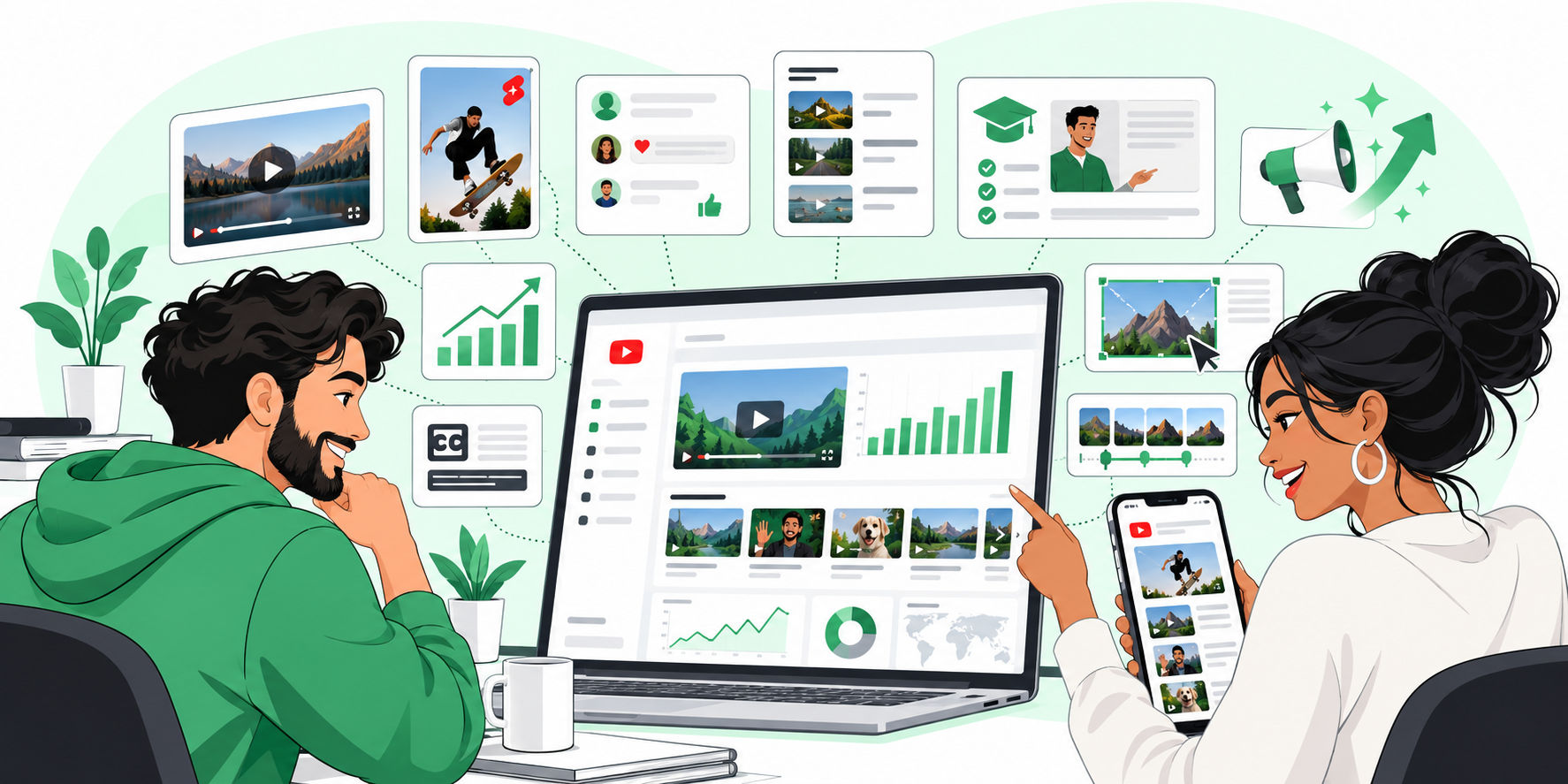
YouTube best practices have changed. A channel can no longer depend on one upload format, one thumbnail style or one weekly video and expect predictable growth. Viewers now discover channels through long-form videos, Shorts, community posts, playlists, courses, live streams, search, suggested videos and newer engagement features like YouTube Hype.
The problem? Most brands still treat YouTube like a video dump.
They upload a video. They write a quick title. They add a thumbnail. Then they wait.
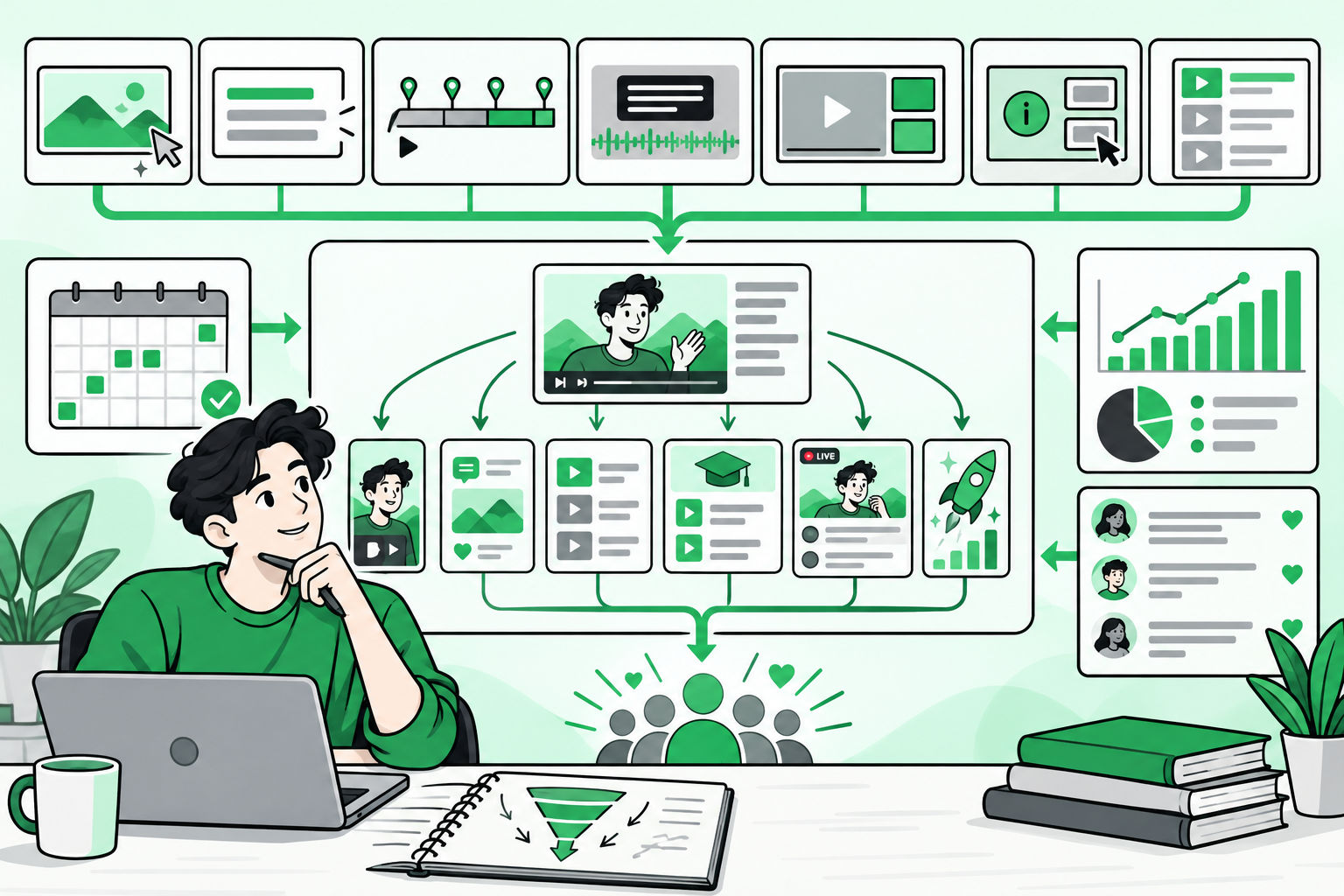
But YouTube does not work like that anymore. YouTube is a content ecosystem. Long-form videos build authority. Shorts create discovery. Posts keep the audience warm. Playlists organize binge paths. Courses turn knowledge into structured learning. Hype can help eligible creators get early fan momentum. Analytics tells you what to make next.
You might be wondering: where should you start?
Start with a simple system. Give every YouTube format a job. Then optimize every upload for click, watch, satisfaction and next action.
The Real Pain Point: Views Do Not Equal Growth
A YouTube Short can get thousands of views and bring almost no subscribers. A long video can have a strong topic but lose viewers in the first thirty seconds. A playlist can exist but never be used. A community post can get likes but no meaningful return visits.
That is why raw views can be misleading.
Views are only useful when they create the next step: a longer watch session, a comment, a subscriber, a playlist binge, a course learner, a returning viewer or a customer action. The best YouTube channels are not chasing isolated views. They are building viewer journeys.
Here is the shift.
Instead of asking, “How do we get more views?” ask, “What should this format do for the channel?”
- Long-form videos should build trust and watch time.
- Shorts should test ideas and reach new viewers.
- Posts should start conversations and drive return visits.
- Playlists should turn one video into a session.
- Courses should organize learning into a clear path.
- Hype should mobilize fans during the early life of eligible videos.
Once each format has a job, YouTube content becomes easier to plan, publish and measure.
Best Practices for YouTube Long Form Videos
Long-form video is where depth happens. It is the format for tutorials, reviews, explainers, interviews, documentaries, webinars, product demos, thought leadership and detailed storytelling.
But long-form only works when the viewer feels rewarded quickly.
1. Start With a Promise, Not a Logo
The first 15 seconds matter. Do not open with a long animated intro. Do not spend the first minute explaining who you are. Start with the pain, the result or the question the viewer clicked for.
A strong opening does three things. It confirms the topic. It previews the payoff. It gives the viewer confidence that the video will not waste their time.
Example: “In this video, I’ll show you how to plan one YouTube video that becomes five Shorts, one playlist entry and three community posts.” That is clear. The viewer knows what they will get.
2. Build Around Retention Moments
Audience retention is not just about making videos shorter. It is about removing dead zones. Every section should create a reason to keep watching.
Use pattern interrupts: screen changes, examples, quick summaries, graphics, questions, chapter transitions and proof. If the video is educational, add mini-payoffs every few minutes. If the video is a story, keep raising curiosity.
But here’s the kicker. The viewer does not owe you attention. You earn it every minute.
3. Optimize Title and Thumbnail Together
Your title and thumbnail should make one promise. Not two. Not five. One.
The title carries the searchable idea. The thumbnail creates the visual reason to click. If the title says “YouTube Shorts Strategy,” the thumbnail might show the before-and-after: one Short feeding a long video, playlist and subscriber path.
Avoid vague titles like “My YouTube Tips.” Use specific titles like “YouTube Shorts Strategy: Turn Short Views Into Long-Form Watch Time.” Specificity increases click quality.
4. Use Descriptions, Chapters, Subtitles and End Screens
YouTube video optimization is not finished when the file uploads. Add a clear description with the most important link or call to action near the top. Use chapters for longer videos so viewers can navigate. Add subtitles or accurate captions for accessibility and sound-off viewing. Use end screens to guide people to the next best video or playlist.
Also add a pinned comment when it helps. A pinned comment can point viewers to the playlist, course, resource or related Short.
Best Practices for YouTube Shorts
YouTube Shorts are built for discovery. The viewer is not browsing thumbnails in the same way. They are swiping. That means the first second must do more work.
1. Make One Point Per Short
A Short should not feel like a compressed long video. Give it one idea. One hook. One payoff.
Good Shorts formats include myth versus truth, one quick tutorial, before-and-after, mistake breakdown, tool comparison, quick opinion, behind-the-scenes, trend reaction and clipped moments from a larger video.
The goal is not to say everything. The goal is to make the viewer care enough to watch, save, share, subscribe or click into a related video.
2. Hook Fast and Deliver Faster
Start mid-action. Show the result. Ask a sharp question. Break a pattern. Avoid “Hey guys.” Avoid slow setup. The viewer decides quickly whether to stay.
Use on-screen text and captions because many viewers watch without sound. Keep the text large enough for mobile. Place important text away from interface areas.
3. Link Shorts to Related Long-Form Videos
One of the smartest YouTube Shorts strategy moves is to connect Shorts to deeper content. If a Short introduces a quick tip, the related long-form video should expand the same topic. If a Short shows the problem, the long video should deliver the full solution.
Reward the click immediately. If viewers move from the Short to the long video, do not make them wait five minutes for the answer the Short promised.
4. Use Shorts as an Idea Testing Engine
Shorts can reveal what your audience cares about. If a Short on a specific pain point earns strong retention and comments, expand that idea into a long-form video, playlist or course lesson.
That is how Shorts become more than reach. They become research.
Best Practices for YouTube Posts
YouTube Posts, also called Community posts, help you stay visible between video uploads. They are useful for polls, images, GIFs, links to videos, questions, quizzes, updates and audience research.
The mistake is treating Posts like filler.
Use them as a feedback loop.
1. Use Polls to Choose Future Videos
Ask your audience what they want next. Give them real options. Then make the winning video. This creates participation before the video even exists.
For example: “Which YouTube topic should we break down next? Thumbnails, Shorts, Playlists or Analytics?” The answer helps content planning and warms up demand.
2. Promote Videos Without Repeating the Title
Do not just paste a link and say “new video is live.” Give people a reason to click. Pull out the strongest insight, chart, mistake or quote from the video.
A good Post feels like a small piece of content on its own.
3. Use Posts for Launches, Courses and Series
If you are launching a course, playlist, live stream or new series, use Posts to build anticipation. Share behind-the-scenes frames, ask questions, run countdowns and remind viewers when the content goes live.
Best Practices for YouTube Playlists
Playlists are one of the most underused YouTube growth tools. They help viewers watch in sequence. They organize your channel. They can rank in search. They turn one video into a binge path.
The problem? Many playlists are named like folders instead of viewer outcomes.
1. Name Playlists Around Viewer Intent
Instead of “Uploads” or “Tips,” use names like “YouTube Shorts Strategy for Beginners,” “Video Marketing Tutorials,” or “Instagram and YouTube Content Planning.” A playlist name should tell the viewer what they will learn or achieve.
2. Put the Strongest Video First
The first video should create confidence. It should be the best entry point, not necessarily the newest upload. Use the first slot to pull people into the playlist.
3. Write Playlist Descriptions
Add a short description that explains who the playlist is for and what it covers. This helps search and sets expectations.
4. Use Playlists as CTAs
When a video ends, do not always send viewers to one random video. Send them to the relevant playlist. That increases session depth and gives the audience a structured next step.
Best Practices for YouTube Courses
YouTube Courses are useful when your content teaches a skill in sequence. Instead of scattered videos, a course creates a structured learning path. This is especially powerful for education, software, marketing, finance, fitness, creator training and product-led content.
The key is structure.
1. Build Courses Around Outcomes
A course should promise a clear transformation. Not “Marketing Videos.” Instead: “Plan and Publish Your First YouTube Content System.” The viewer should know what they will be able to do by the end.
2. Break Lessons Into Small Steps
Each lesson should solve one problem. Start with basics. Move toward advanced topics. Add examples. Recap the key action at the end of every lesson.
3. Use Shorts and Posts to Feed the Course
Shorts can preview course lessons. Posts can ask questions and remind viewers of the next module. Long-form videos can act as deep-dive lessons. Playlists and Courses should work together instead of competing.
Best Practices for YouTube Hype
YouTube Hype is designed to help eligible up-and-coming creators get fan support on newer videos. According to YouTube’s support guidance, Hype is available only in certain countries and is intended for eligible YouTube Partner Program creators with 500 to 500,000 subscribers. Viewers can hype eligible videos during the first seven days after publishing, and top hyped videos may appear on country-specific leaderboards.
That means Hype is not a replacement for strong content. It is an early momentum layer.
1. Use Hype During the First Week
If your channel is eligible, remind your strongest fans early. Mention Hype in community posts, comments or video CTAs where appropriate. The first seven days matter, so do not wait until the video has already gone cold.
2. Make Videos Worth Rallying Around
People hype content they feel proud to support. Strong opinions, useful tutorials, emotional stories, creator milestones and niche-defining videos are better candidates than generic uploads.
3. Do Not Over-Ask
Hype should feel like fan participation, not pressure. Ask when the video deserves it. Use it for important uploads, launches, series starts and high-value episodes.
The YouTube Publishing Checklist
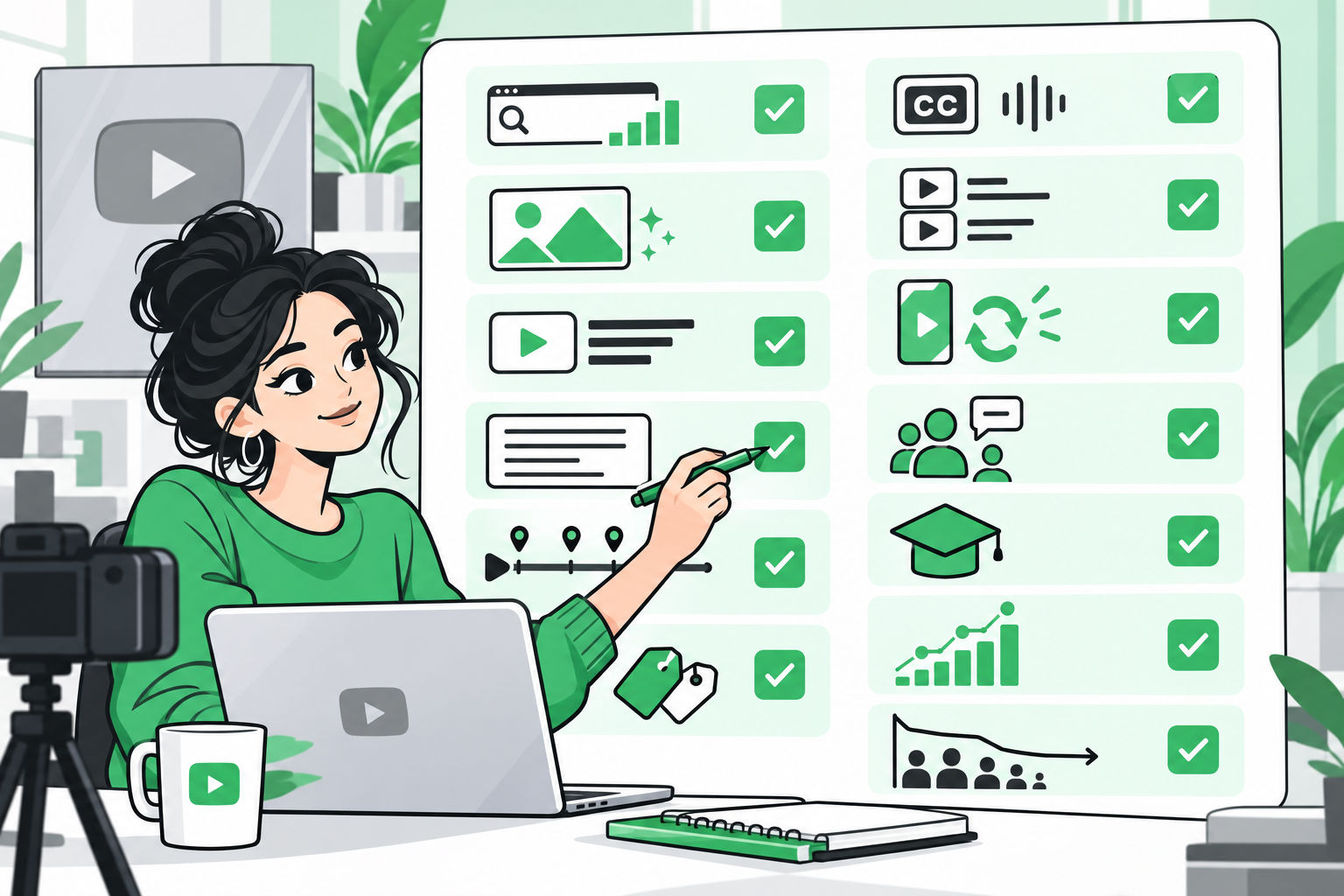
Before you publish, run through this checklist.
- Topic: Is this based on audience demand, search demand or a proven content gap?
- Format: Should this be long-form, Short, Post, Playlist, Course, Live or a combination?
- Hook: Does the first moment create a reason to continue?
- Title: Does it clearly promise the value?
- Thumbnail: Does it create visual curiosity without misleading the viewer?
- Description: Are the main links and context near the top?
- Chapters: Can viewers navigate the video easily?
- Subtitles: Are captions accurate?
- Playlist: Is the video added to the right playlist?
- End screen: Does it send viewers to the best next video or playlist?
- Community Post: Is there a Post to start discussion or promote the upload?
- Shorts: Can this long video become two or three Shorts?
- Analytics: What metric will define success?
A Practical Weekly YouTube System
Here is a simple weekly system for brands and creators.
- Publish one strong long-form video built around a searchable topic or high-value audience problem.
- Create two to five Shorts from related ideas, clips or standalone tips.
- Use one or two Posts to ask questions, promote the video or test the next topic.
- Add the video to the most relevant playlist.
- If it is educational, consider whether it belongs inside a Course structure.
- If eligible and relevant, ask fans to Hype the video in the first week.
- Review analytics after 48 hours, 7 days and 28 days.
The exact cadence can change. The system matters more than the volume. A sustainable YouTube workflow beats a burst of uploads followed by silence.
What to Measure
Different formats need different metrics. Do not judge every YouTube asset by the same number.
- Long-form videos: click-through rate, average view duration, retention curve, watch time, comments and subscribers gained.
- Shorts: viewed-versus-swiped behavior, retention, repeats, shares, subscribers gained and clicks to related videos.
- Posts: votes, comments, likes, link clicks and topic signals.
- Playlists: starts, total watch time and videos watched per session.
- Courses: lesson completion, return viewers and learner progression.
- Hype: early fan participation and whether eligible videos gain leaderboard visibility.
The goal is not to win every metric. The goal is to understand what each format is doing for the channel.
Final Solution: Build a YouTube Content Engine
The best YouTube strategy does not depend on one viral video. It connects formats.
Long-form videos build authority. Shorts create discovery. Posts create interaction. Playlists create binge paths. Courses create structured learning. Hype creates early community momentum for eligible creators. Analytics turns all of it into the next decision.
That is how YouTube becomes a system.
Not just a place to upload videos. A channel that teaches, attracts, converts and compounds.
FAQs
What are the most important YouTube best practices?
The most important YouTube best practices are to create strong hooks, optimize titles and thumbnails, use descriptions and chapters, add subtitles, organize videos into playlists, repurpose long videos into Shorts and measure retention, click-through rate and viewer satisfaction.
Are YouTube Shorts better than long-form videos?
YouTube Shorts are usually better for discovery, while long-form videos are better for depth, trust and watch time. The strongest channels use both and connect Shorts to related long-form videos or playlists.
How should brands use YouTube Posts?
Brands should use YouTube Posts to run polls, ask questions, promote videos, share images, announce launches, support courses and keep the audience engaged between uploads.
Why are YouTube playlists important?
YouTube playlists help organize content, improve session depth, support SEO and guide viewers from one video to the next. They are especially useful for series, tutorials, courses and topic clusters.
What is YouTube Hype?
YouTube Hype is a feature for eligible creators where viewers can hype newer videos during the first seven days after publishing. It is intended to help up-and-coming creators gain fan momentum and potential leaderboard visibility in supported countries.
Leave a Reply